
Synopsis
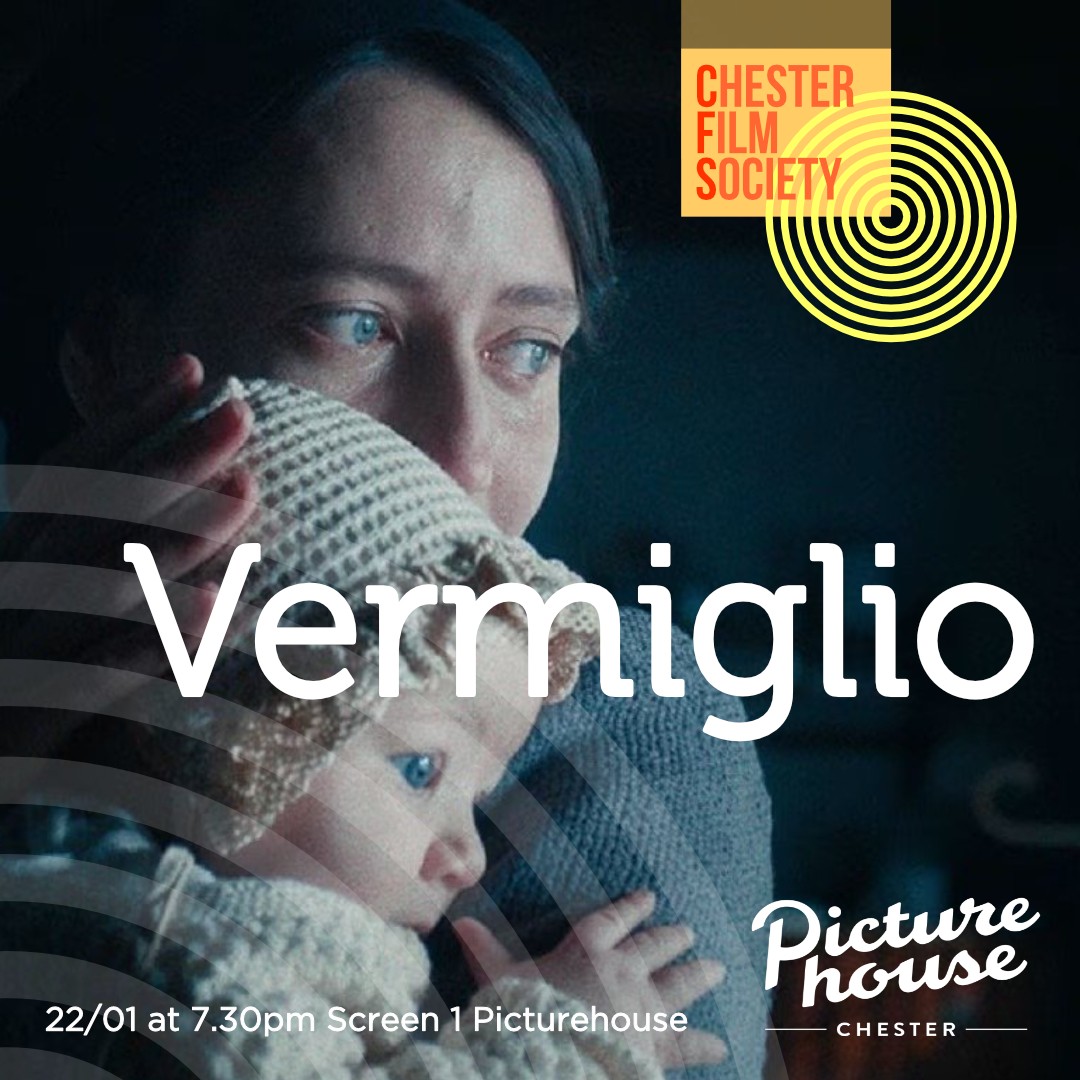
Set in 1944 in the remote Alpine village of Vermiglio, the film follows the Graziadei family, headed by ageing schoolteacher Cesare (Ragno), whose household already includes nine children and another on the way. Their precarious existence, shaped by poverty, tradition, and the isolating mountain landscape, is disrupted by the arrival of Pietro (De Domenico), a Sicilian army deserter hiding from the war. Pietro forms a bond with the eldest daughter, Lucia (Scrinzi), whose quiet resilience and sense of duty anchor the family. As winter tightens and wartime pressures creep closer, the family’s routines, loyalties, and long‑held customs are tested, revealing the fragile balance between survival, community, and personal desire.
Context and Craft
Vermiglio is a slow-burning historical drama rooted in the rhythms of rural life during the final years of WWII. Delpero draws on stories from her own family history, crafting a narrative that privileges observation over plot and emphasises the textures of daily existence in an isolated mountain community. Critics highlight the film’s visual style: cinematographer Mikhail Krichman shoots the Alps with painterly precision, using natural light to capture the harshness of winter and the tentative renewal of spring. The film explores the intersection of personal and historical upheaval. Pietro’s arrival introduces both danger and possibility, while Lucia’s tentative romance becomes a quiet act of defiance against the constraints of her environment.
Critical Reception
- A beautifully observed drama of immense subtlety… Delpero shows phenomenal
restraint.” — Sight & Sound - “Attuned to the consciousness of its time… elegant, clean compositions and graceful
storytelling.” — Roger Ebert - “A visionary film… the Alps provide a breathtaking emotional backdrop.” — Rotten
Tomatoes
Conclusion
Vermiglio is a richly textured, visually striking portrait of a mountain community suspended between tradition and the encroaching realities of war. Delpero’s understated direction and Krichman’s luminous cinematography create a world where silence, landscape, and ritual carry as much weight as dialogue. The film’s emotional power lies in its attention to the ordinary, domestic labour, family tensions, small acts of rebellion, and how these intimate moments reflect broader historical forces.
Audience Comments:
- Beautiful scenery
- Very slow at times, but very picturesque
- Great cinematography and very authentic, but incredibly slow
- Raw, emotional. Excellent casting with very natural performances, but very slow
- A powerful story and compelling snapshot into rural mountain life during the war
- Every frame in Vermiglio is like a painting and the characters felt very real. Greatly enjoyed the chance to see it in the cinema when i probably wouldn’t have seen it otherwise!