

Filters
Season

Season: CFS

This parent distinguishes CFS seasons from CIFF seasons or specials

  • Misericordia

    Misericordia

    Synopsis

    Set in the fictional village of Saint-Martial, Misericordia follows Jérémie (Félix Kysyl), who returns to his hometown for his former boss’s funeral. Staying with the widow Martine
    (Catherine Frot), tensions rise with her son Vincent, culminating in a fatal altercation. With the unexpected help of the village priest, Jérémie conceals the crime, sparking a darkly comic and
    unsettling chain of events. Blending thriller and black comedy, the film explores guilt, desire, and the complex alliances that form in small communities.

    Context and Craft

    Alain Guiraudie (Stranger by the Lake, Staying Vertical) continues his exploration of desire and moral ambiguity in rural France. Shot in southern Aveyron, the film uses the rugged landscapes
    of Sauclières and the Dourbie gorges to evoke isolation and tension. Cinematographer Claire Mathon (Portrait of a Lady on Fire) brings a stark, naturalistic palette that contrasts with the
    film’s surreal undertones. Marc Verdaguer’s sparse score heightens the discomfort, while Guiraudie’s script draws inspiration from Pasolini’s Théorème, infusing homoeroticism and absurdity into a deceptively simple narrative.

    Critical Reception

    Misericordia premiered in the Cannes Premiere section and was nominated for the Queer Palm. Although it received eight César nominations, including Best Film, it left empty-handed. Critics
    have noted:

    • “A visually striking drama that veers between psychological tension and farce.” —
      DeepFocusReview
    • “Guiraudie’s refusal to offer character empathy makes the viewer complicit in the film’s
      moral murk.” — Cahiers du Cinéma
    • The priest’s final monologues push the film into exploitation territory—perhaps
      deliberately.” — Le Monde
    •  Misericorida is another superb foray into the dangers of desire” (Rotten Tomatoes)

    Conclusion

    Misericordia is a bold, unsettling meditation on secrecy, power, and desire. Guiraudie’s refusal to moralize or sentimentalize his characters forces viewers to confront the absurdity and
    darkness of human behavior. The film’s rural setting and minimalist style amplify its themes, making it a provocative entry in contemporary French cinema. Guiraudie is known for playing
    with genre and tone, so this might be a deliberate provocation, using B-movie aesthetics to challenge the viewers’ expectations or to underscore the film’s moral ambiguity.

    Audience Rating: 6.8

    Audience Comments:

    • Didn’t like the violence, but an intruguing film with unexpected turn to the plot.
    • Well cast. Good camera work.
    • The fungi did it!
    • Could only be a French film!
    • Very weird, but very French!
    • Enjoyable
    • Truly bizarre!!
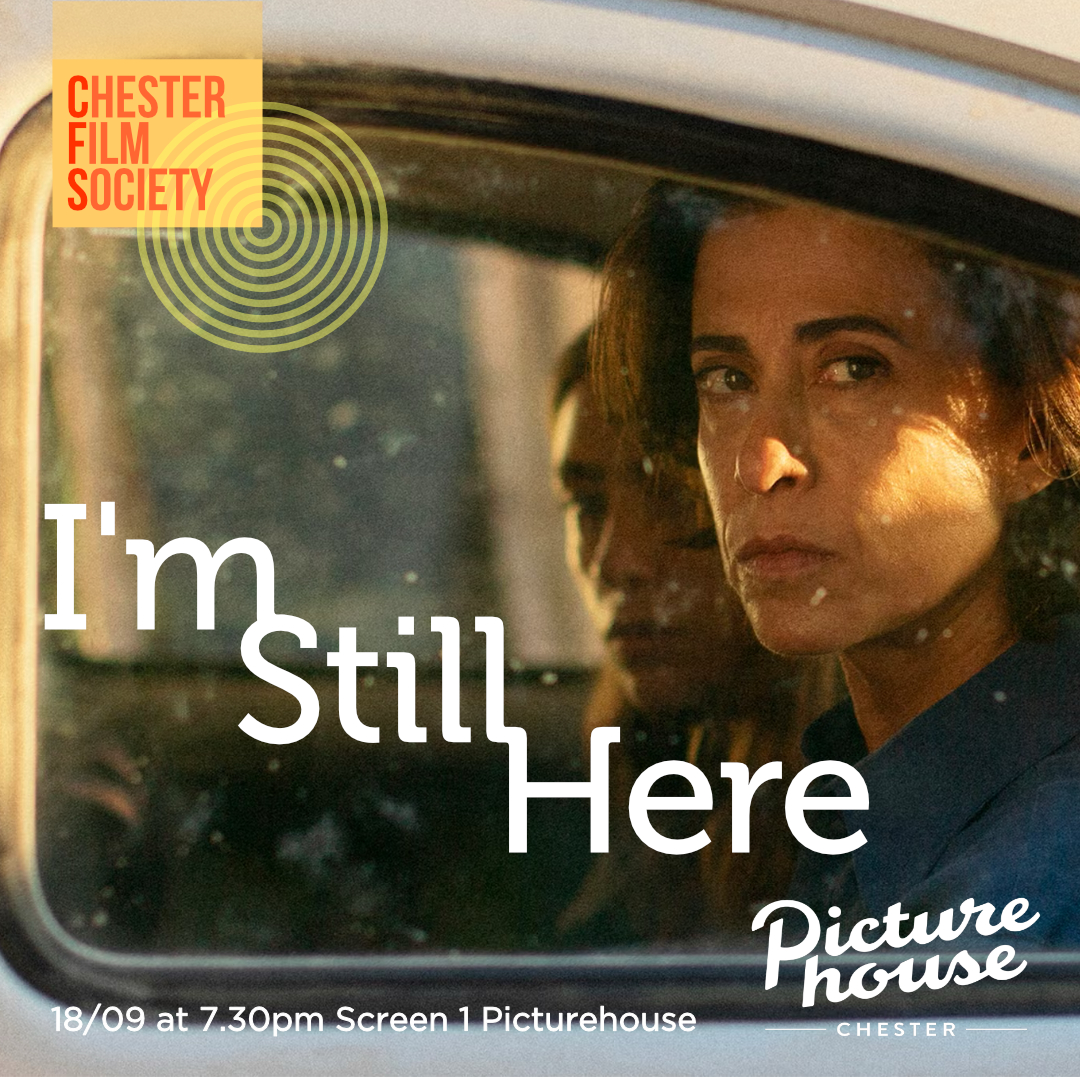
  • I’m Still Here

    I’m Still Here

    Synopsis

    Set in 1970s Rio de Janeiro, I’m Still Here follows the Paiva family—led by Eunice (Fernanda Torres) and Rubens (Selton Mello)—as they navigate the creeping terror of Brazil’s military
    dictatorship. When Rubens, a former congressman secretly aiding the opposition, is abducted by government agents, Eunice must protect her five children while searching for answers in a
    climate of fear and silence. Based on Marcelo Rubens Paiva’s memoir Ainda Estou Aqui, the film dramatizes a true story of resilience, loss, and quiet defiance.

    Context and Craft

    Walter Salles (Central Station, The Motorcycle Diaries) returns to narrative filmmaking with a deeply personal lens—he was childhood friends with the Paiva children and a frequent guest in
    their home. The film’s rich period detail is enhanced by Adrian Teijido’s warm 35mm cinematography and a soundtrack featuring Brazilian icons like Caetano Veloso and Gal Costa. The result evokes a vibrant family life slowly eclipsed by authoritarian violence.

    Critical Reception

    Critics have praised I’m Still Here for its emotional depth and restrained storytelling:

    • “Fernanda Torres delivers a “masterful” performance as Eunice, earning an Oscar nomination for her portrayal of quiet strength under pressure.” The Independent
    • “The film has drawn comparisons to Roma (2018) for its intimate family focus and historical backdrop, though Salles opts for vivid colour and personal memory over monochrome nostalgia.” BFI
    • “While some may feel the film’s minimal political exposition is minimal, its choice to center the victims’ experience, makes the trauma feel immediate and human.” DeepFocusReview
    • “Carried along by Fernanda Torres’ superb performance, I’m Still Here poignantly explores a nation’s upheaval through one family’s search for answers.” Rotten Tomatoes

    Conclusion

    A brave film portraying resistance, not through action, but through endurance. Parallels can be drawn between Brazil’s former dictatorship and its contemporary political climate. The film’s
    use of Super 8 footage and music shapes our emotional connection to the family and their search for the truth.

    Audience Rating: 8.63

    Audience Comments:

    • Excellent; Beautiful film; Powerful; Well acted; Soundtrack good; Sad; Incredible
    • Good and Great choice
    • A beautiful film well portrayed by the amazing characters and well acted
    • A story to be known by all; Emotional but an incredible film
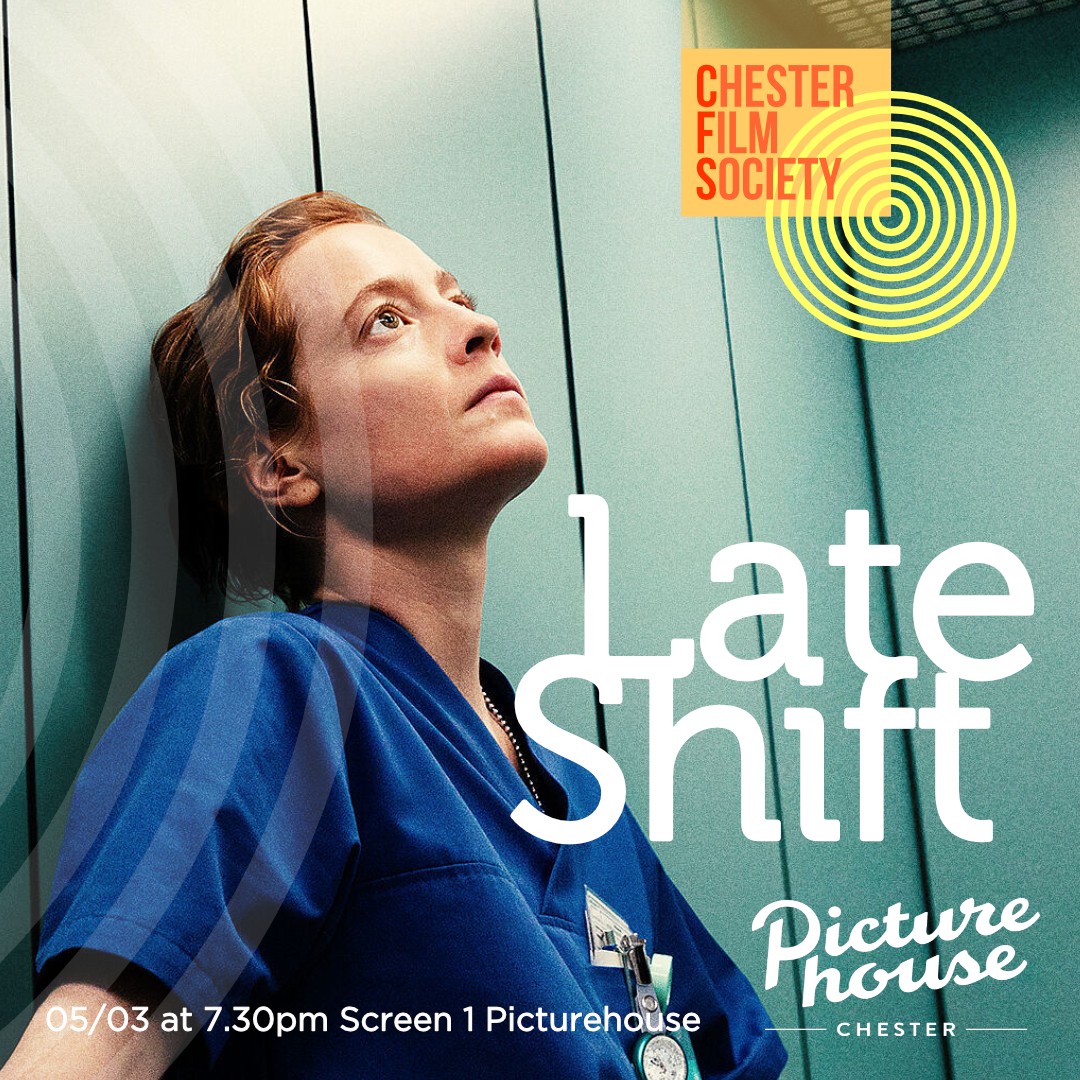
  • Late Shift

    Late Shift

    Synopsis

    Floria is an experienced nurse, a calming presence in a hospital system that’s anything but
    calm. On a single late shift in an understaffed ward, routine care becomes a race against time
    as patients deteriorate, families demand answers, colleagues are stretched thin, and every
    interruption can mean life or death. As the night progresses, Floria’s professionalism is tested
    to the limit by the sheer arithmetic of too many urgent needs and not enough hands on deck.

    Context and Craft

    Director Petra Volpe builds the film around immersion and momentum: rather than giving backstory or big plot twists, she keeps the camera close to Floria as the ward’s pressures
    accumulate in near real time. The effect is less medical melodrama than workplace pressurecooker – think Boling Point but in a hospital – where the tension comes from triage i.e., what can
    be done now, what must wait, and what that waiting costs. A key choice is the emphasis on systems over villains. No one person is “the problem”; the crisis is structural and includes
    understaffing, bottlenecks, and there is a constant moral friction between ideal care and possible care. There is no time for small, human gestures (comforting a frightened patient, a
    moment of tenderness) as everything is at stake when time runs out. The film was inspired by Madeline Calvelage’s book about nursing conditions, which helps explain the documentary-like
    insistence on procedure, pace, and emotional labour, alongside a quietly thriller-ish edge created by the night’s escalating cascade of decisions.

    Critical Reception

    • “The pressure is on in a severely understaffed hospital, carried by Leonie Benesch’s
      committed performance.” — The Guardian
    • “A cinematic tribute to nurses… elevated by the unflashy skill of Leonie Benesch.” —
      Sight and Sound.
    • “Gripping, minimalist portrait that sneaks in a subtle thriller tension while staying
      focused on the psychological cost of caregiving.” — Financial Times

    Conclusion

    Late Shift is a study in care under constraint: a film that makes competence feel dramatic, and compassion feel expensive, not because it’s rare, but because the system gives it no room. By
    narrowing the story to one shift, Volpe turns everyday hospital work into escalating suspense, while keeping the focus on Floria’s steady humanity and the quiet brutality of impossible workloads. It lands as both an intense viewing experience and a pointed piece of social realism.

    Audience Rating: 8.31

    Audience Comments:

    • So depressing
    • Probably the most important film I will see all year
    • Best film I have seen in years
    • A film everyone should see
    • Sobering. Moving. What an insight into the nursing world.
    • Deeply moving
    • Awful music and terrible end, but it was an excellent portrayal of a real heroine.
    • Harrowing
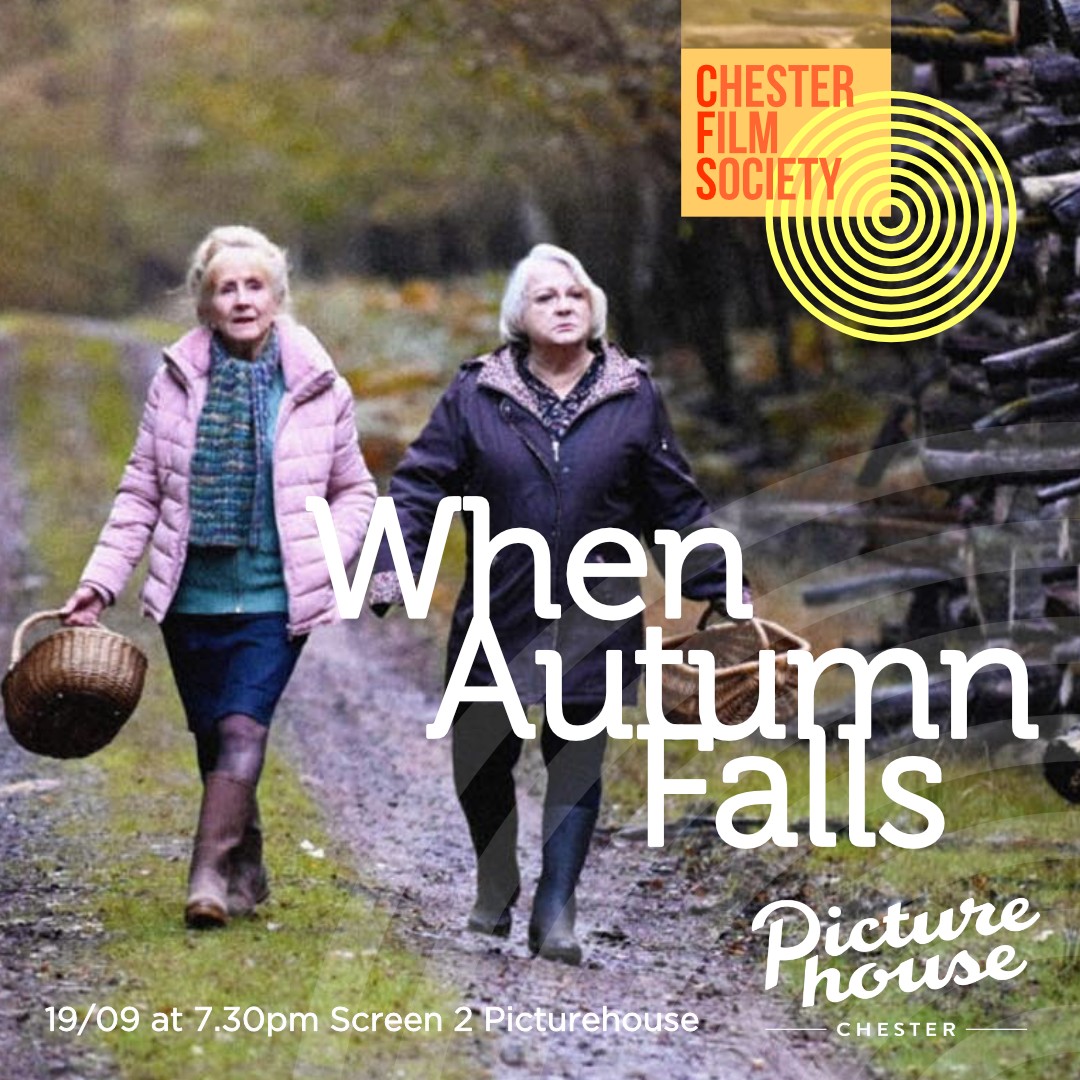
  • When Autumn Falls

    When Autumn Falls

    Synopsis

    In a quiet Burgundy village, grandmother Michelle looks forward to time with her grandson — until an “innocent mistake” with foraged mushrooms shatters the fragile family dynamic. Is it
    an accident, confusion, or something darker? As Michelle’s loneliness deepens, she finds unexpected companionship when her friend Marie-Claude’s son Vincent returns after prison,
    drawing her into a web of affection, suspicion, and buried history.

    Context and Craft

    When Autumn Falls is one of Ozon’s characteristically slippery genre blends: part rural family drama, part “cosy” mystery, part psychological thriller. Tension is built less through plot
    mechanics than through ambiguity. Village routines turn faintly menacing as accusations and motives blur. Reviewers have remarked on its classic French suspense influences (Claude
    Chabrol/Georges Simenon) and on the film’s tonal tightrope: gentleness and warmth coexist with insinuation and dread. Much of the film’s power comes from performance and
    withholding: Michelle’s inner life is readable yet unknowable, and key events are framed to keep moral certainty just out of reach.

    Critical Reception

    • “The implied Chabrol-esque horror is made to coexist with an odd mood of gentleness and even sentimentality as we witness the loneliness of an ageing woman with secrets
      and regrets in the autumn of her life.” — The Guardian
    • “That it is still worthwhile owes largely to the sympathetic, sinuous performance of Hélène Vincent, in the lead role of a grand-mère who may not be as simply sweet as she
      first appears.” — Wall Street Journal
    • “In the great Ozon catalogue, this seems like an incidental work… [yet] fascinating and the more you think about it, the more there is to think about.” — Mark Kermode

    Conclusion

    When Autumn Falls is less a straight mystery than a study in moral fog: a portrait of ageing, family resentment, and the stories people construct to live with guilt and desire. Ozon uses the
    mushroom incident as a deceptively simple spark that exposes old fractures; he then lets uncertainty do the work, pushing viewers to constantly reassess Michelle, Valérie, and Vincent.
    Whether you read it as a tender drama with sinister undertones or a thriller disguised as villagelife realism, it’s anchored by Hélène Vincent’s quietly commanding performance and Ozon’s
    knack for making the ordinary feel menacing.

    Audience Rating: 8.26

    Audience Comments:

    • A mushroom stew and two tarts. What a brilliant, dark meal of a film!
    • Atmospheric, thought-provoking, emotive. 
    • Fungi most fowl!
    • It’s complicated, delightful, and nuanced.
    • Loved it!
    • A touching but unusual web of love and affection. Everyone covers up a possible crime, but out of it, love can flourish. Poignant and well-played. A superb film with so much going on. Well acted and leaves much unresolved. 
    • Joyless
    • Gentle & heartwarming
    • Excellent. Unexpected at times. Extremely well acted and believable apart from the ending!
    • Love and loss is a stormy sea
  • Palestine 36

    Palestine 36

    Synopsis

    Mandatory Palestine, 1936. As Palestinian villages organise against British colonial rule amid
    rising tensions and accelerating change, Yusuf drifts between the slower rhythms of his rural
    home and the charged streets of Jerusalem, pulled into a widening revolt that will reshape lives
    and futures.

    Context and Craft

    Jacir frames the story as historical drama with an ensemble sweep: personal stories threaded
    through a broad political moment. Rather than centring only leaders or headline events, the film
    uses Yusuf as a connective figure between village and city, ordinary life and organised
    resistance, allowing the period to unfold through shifting relationships and competing
    pressures. Formally, the film leans on period detail and a grounded, observational style, with
    critics noting a tendency toward clear, explanatory beats designed to orient viewers in a
    complex history. This is balanced with vivid scenes of daily life under strain. It’s also a film that
    has sparked discussion about how cinema handles contested history. Some critics have
    praised the film’s urgency and its attempt to foreground a chapter often under-taught in Britain,
    while other commentators have argued that certain portrayals compress, simplify, or skew the
    historical record.

    Critical Reception

    • “Emotionally stirring… heartfelt… if rather stolidly paced and sometimes pedagogically
      conveyed.” — The Guardian
    • “Prescient… strong ensemble work, with one notably caricatured antagonist
      performance.” — Variety
    • “Broad primer on a complex period, with attention to the political machinery on all
      sides.” — BFI Sight and Sound
      Conclusion
      Palestine 36 plays as both human drama and historical reckoning: a big-cast, big-canvas
      film that tries to make the beginnings of the 1936–39 revolt legible through one young man’s
      movement between worlds. For audiences, its impact may hinge on that balancing act,
      between immersion and instruction, story and history, especially given the real
      disagreements over interpretation that the film has provoked.

    Audience Rating: 8.6

    Audience Comments:

    • Shocking and powerful
    • Excellent as a film and explanation of how we’ve arrived at the current situation
    • Deeply moving and necessary watch. Thank you for screening this.
    • Heartbreaking
    • A beautiful film that conveyed incredible emotion. So well depicted and just shows what too many of us is history not well known.
    • A very difficult watch – but a necessary one. Haunting.
    • Still happening after all these years. The injustice is shocking.
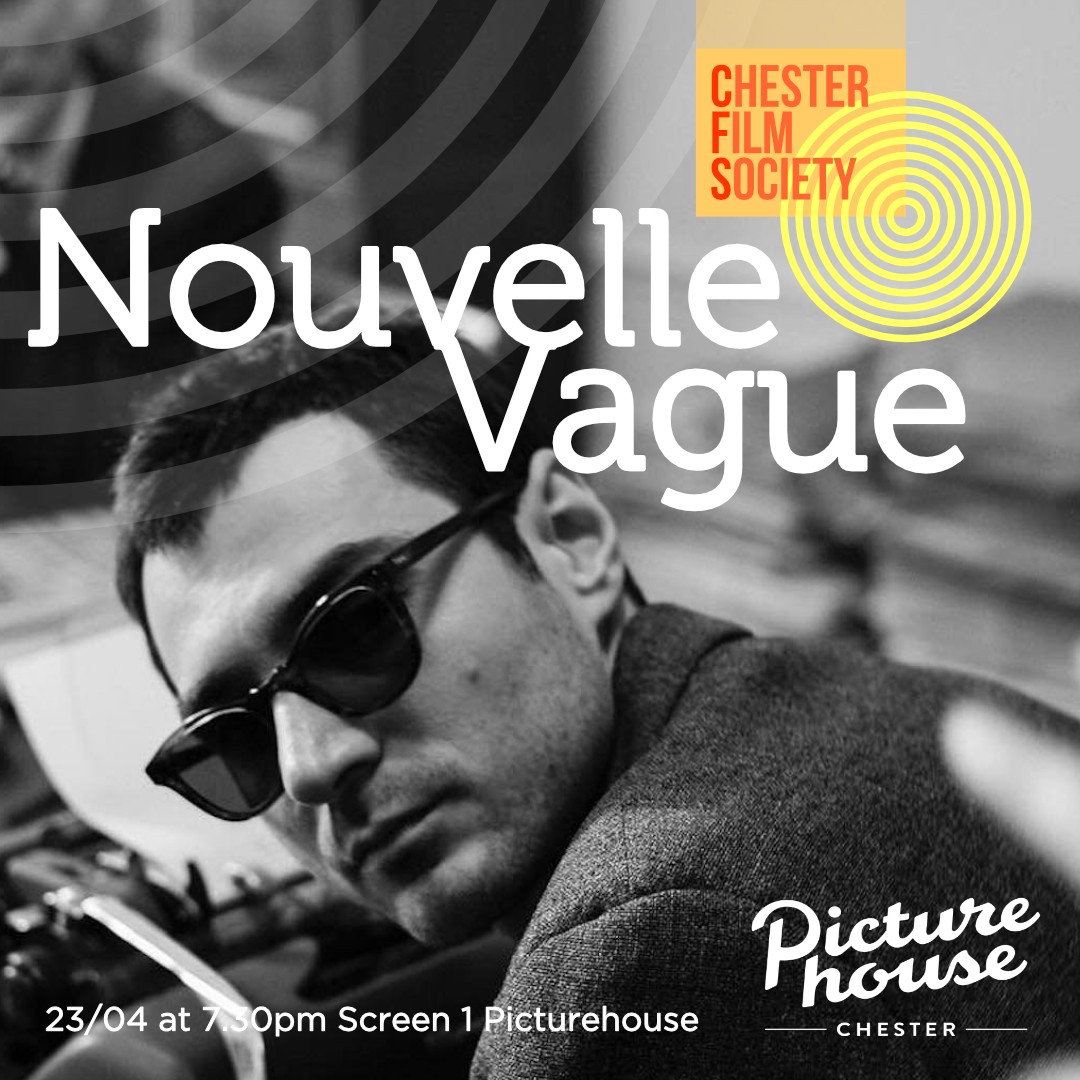
  • Nouvelle Vague

    Nouvelle Vague

    Synopsis

    Paris, summer 1959. A young Jean-Luc Godard sets out to shoot À bout de souffle (Breathless),
    a production that looks chaotic, improvised, and under-funded, but is driven by a fierce, almost
    mischievous conviction that cinema can be made differently. Following the shoot day by day,
    the film tracks the spark (and frictions) between Godard, his collaborators, and his stars Jean
    Seberg and Jean-Paul Belmondo, capturing the moment just before a movie (and a movement)
    rewired film history.

    Context and Craft

    Linklater approaches Nouvelle Vague as a ‘making-of’ film that doubles as a love letter to the
    French New Wave, to a particular Parisian film culture, and to the DIY audacity of first features.
    Cannes’ own write-up frames it as a cinephile’s declaration of love that recreates the period’s
    methods and atmosphere. Linklater’s choices reinforce the “time-capsule” feel: the deliberate
    imitation of mid-century film grammar and texture; a lovingly detailed re-staging of
    the Breathless shoot rather than a modern re-interpretation. At the same time, the film’s big
    idea is its tension: it honours Godard’s radicalism, but does so through a smoother, more
    classical flow, making the film feel warm, witty, and accessible even when it’s depicting a
    famously disruptive artist.

    Critical Reception

    • “A stylish, reverent homage that’s slick and cinephile-forward-admiring”. — The
      Guardian
    • “Joyful tribute energy, dense with period knowledge and affection for the New Wave’s
      free spirits”. — BFI Sight and Sound
    • ”A second look notes the ensemble’s charm… unmistakably a Linklater film even while
      saluting Godard.” — BFI Sight and Sound
    • “An American director making a French-language, black-and-white film about a French
      cinematic “holy text,” and the care taken to recreate the original shoot.” — Reuters / AP

    Audience Rating: 8.6

    Comments:

    Why not put on several New Wave films?

    • Very stylish, but not knowing his films, story didn’t engage.
    • Deliberately bizarre, not sure it worked
    • Insight into filmmaking of the past. So natural
    • Thankfully slept all the way through
    • Not my favourite
    • I missed out by not having seen Breathless
    • As a director I really enjoyed this film, but not sure how much I would have enjoyed it otherwise.
    • A great ending to the season’s films