


Season: 2025-26 Season

  • Palestine 36

    Palestine 36

    Synopsis

    Mandatory Palestine, 1936. As Palestinian villages organise against British colonial rule amid
    rising tensions and accelerating change, Yusuf drifts between the slower rhythms of his rural
    home and the charged streets of Jerusalem, pulled into a widening revolt that will reshape lives
    and futures.

    Context and Craft

    Jacir frames the story as historical drama with an ensemble sweep: personal stories threaded
    through a broad political moment. Rather than centring only leaders or headline events, the film
    uses Yusuf as a connective figure between village and city, ordinary life and organised
    resistance, allowing the period to unfold through shifting relationships and competing
    pressures. Formally, the film leans on period detail and a grounded, observational style, with
    critics noting a tendency toward clear, explanatory beats designed to orient viewers in a
    complex history. This is balanced with vivid scenes of daily life under strain. It’s also a film that
    has sparked discussion about how cinema handles contested history. Some critics have
    praised the film’s urgency and its attempt to foreground a chapter often under-taught in Britain,
    while other commentators have argued that certain portrayals compress, simplify, or skew the
    historical record.

    Critical Reception

    • “Emotionally stirring… heartfelt… if rather stolidly paced and sometimes pedagogically
      conveyed.” — The Guardian
    • “Prescient… strong ensemble work, with one notably caricatured antagonist
      performance.” — Variety
    • “Broad primer on a complex period, with attention to the political machinery on all
      sides.” — BFI Sight and Sound
      Conclusion
      Palestine 36 plays as both human drama and historical reckoning: a big-cast, big-canvas
      film that tries to make the beginnings of the 1936–39 revolt legible through one young man’s
      movement between worlds. For audiences, its impact may hinge on that balancing act,
      between immersion and instruction, story and history, especially given the real
      disagreements over interpretation that the film has provoked.

    Audience Rating: 8.6

    Audience Comments:

    • Shocking and powerful
    • Excellent as a film and explanation of how we’ve arrived at the current situation
    • Deeply moving and necessary watch. Thank you for screening this.
    • Heartbreaking
    • A beautiful film that conveyed incredible emotion. So well depicted and just shows what too many of us is history not well known.
    • A very difficult watch – but a necessary one. Haunting.
    • Still happening after all these years. The injustice is shocking.
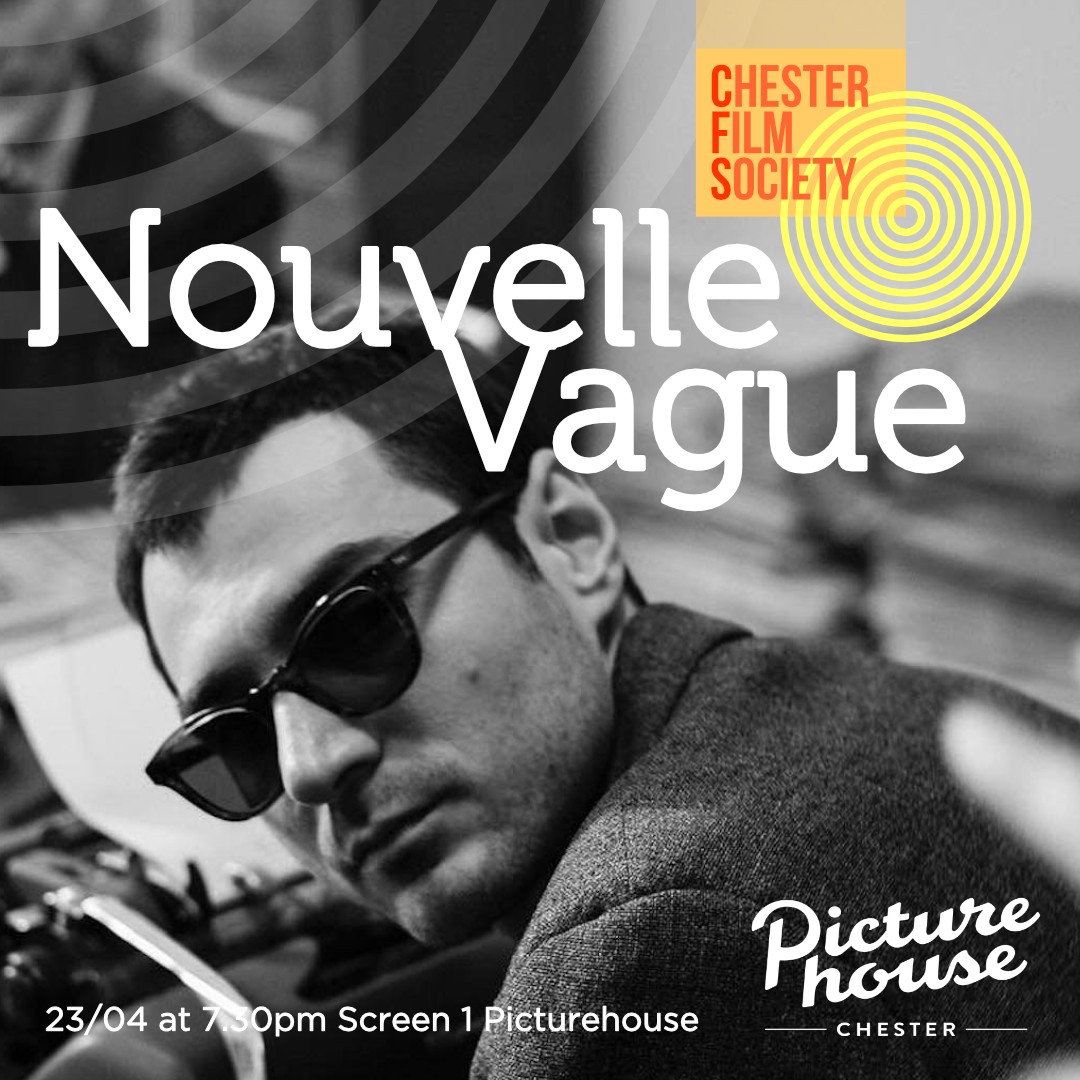
  • Nouvelle Vague

    Nouvelle Vague

    Synopsis

    Paris, summer 1959. A young Jean-Luc Godard sets out to shoot À bout de souffle (Breathless),
    a production that looks chaotic, improvised, and under-funded, but is driven by a fierce, almost
    mischievous conviction that cinema can be made differently. Following the shoot day by day,
    the film tracks the spark (and frictions) between Godard, his collaborators, and his stars Jean
    Seberg and Jean-Paul Belmondo, capturing the moment just before a movie (and a movement)
    rewired film history.

    Context and Craft

    Linklater approaches Nouvelle Vague as a ‘making-of’ film that doubles as a love letter to the
    French New Wave, to a particular Parisian film culture, and to the DIY audacity of first features.
    Cannes’ own write-up frames it as a cinephile’s declaration of love that recreates the period’s
    methods and atmosphere. Linklater’s choices reinforce the “time-capsule” feel: the deliberate
    imitation of mid-century film grammar and texture; a lovingly detailed re-staging of
    the Breathless shoot rather than a modern re-interpretation. At the same time, the film’s big
    idea is its tension: it honours Godard’s radicalism, but does so through a smoother, more
    classical flow, making the film feel warm, witty, and accessible even when it’s depicting a
    famously disruptive artist.

    Critical Reception

    • “A stylish, reverent homage that’s slick and cinephile-forward-admiring”. — The
      Guardian
    • “Joyful tribute energy, dense with period knowledge and affection for the New Wave’s
      free spirits”. — BFI Sight and Sound
    • ”A second look notes the ensemble’s charm… unmistakably a Linklater film even while
      saluting Godard.” — BFI Sight and Sound
    • “An American director making a French-language, black-and-white film about a French
      cinematic “holy text,” and the care taken to recreate the original shoot.” — Reuters / AP

    Audience Rating: 8.6

    Comments:

    Why not put on several New Wave films?

    • Very stylish, but not knowing his films, story didn’t engage.
    • Deliberately bizarre, not sure it worked
    • Insight into filmmaking of the past. So natural
    • Thankfully slept all the way through
    • Not my favourite
    • I missed out by not having seen Breathless
    • As a director I really enjoyed this film, but not sure how much I would have enjoyed it otherwise.
    • A great ending to the season’s films