

Season: 2025-26 Season

  • Dreams

    Dreams

    Synopsis

    A 16‑year‑old girl, Johanne, becomes intensely infatuated with her French teacher and documents her feelings in a private diary. When her mother and grandmother discover the writing, they are shocked by its intimacy yet captivated by its literary quality. Their fascination leads them to consider publishing the diary, inadvertently taking ownership of Johanne’s emotional world. As the story unfolds, Johanne confronts the gap between romantic fantasy and lived experience, navigating desire, vulnerability, and the loss of control over her own narrative.

    Context and Craft

    Dag Johan Haugerud’s Dreams is part of a trilogy exploring sexuality, longing, and social norms in contemporary Oslo. The film sits between Sex and Love in Haugerud’s thematic cycle, each entry examining human relationships through moral fables and existential comedy. Haugerud’s background in literature and psychological drama shapes the film’s tone: intimate, observational, and grounded in everyday emotional complexity. Cinematographer Cecilie Semec employs a naturalistic visual style that mirrors the film’s focus on interiority, while Anna
    Berg’s music underscores the tension between adolescent idealism and adult ambivalence. The screenplay’s blend of humour and seriousness reflects Haugerud’s interest in autofictionlike storytelling, reminiscent of Norway’s literary tradition of introspective realism.

    Critical Reception

    • “Vividly captures the dizzying highs and lows of first love,” and highlights Haugerud’s “rich trilogy of films exploring modern relationships.” — Sight & Sound
    • “A teenager’s crush on her teacher cues a complex but light‑handed investigation of romantic awakening, power imbalance, and creative catharsis.” — Hollywood
      Reporter
    • “A complex but light‑handed investigation of romantic awakening, power imbalance and creative catharsis.” — Variety

    Conclusion

    Critics have praised Dreams for its candid portrayal of teenage desire and its nuanced handling of ethically fraught material. Provocative and tender, Dreams stands out as a thoughtful, quietly
    daring exploration of adolescent longing and the ways adults project their own desires onto the young. Haugerud’s restrained direction and the film’s layered performances (particularly Ella
    Øverbye and Selome Emnetu) create a work that is emotionally rich without sensationalism. As part of Haugerud’s trilogy, it deepens his ongoing examination of intimacy, autonomy, and the
    stories we tell about ourselves, and the stories others try to tell for us.

    Audience Rating: 8.5

    Audience Comments:

    • Beautifully written. Brits could never be this emotionally open.
    • Makes you remember how self-absorbed you were as a teenager
    • Loved the imagery of the nan climbing Jacob’s Ladder. Hope she reached the Swedish hunk!
    • Wonderful evocation of young love. Married and elderly wisdom from Grandma.
    • An amusing little Ditty
    • Sensitive
    • Elongated. Interesting and evocative, but became boring/self indulgent
  • Vermiglio

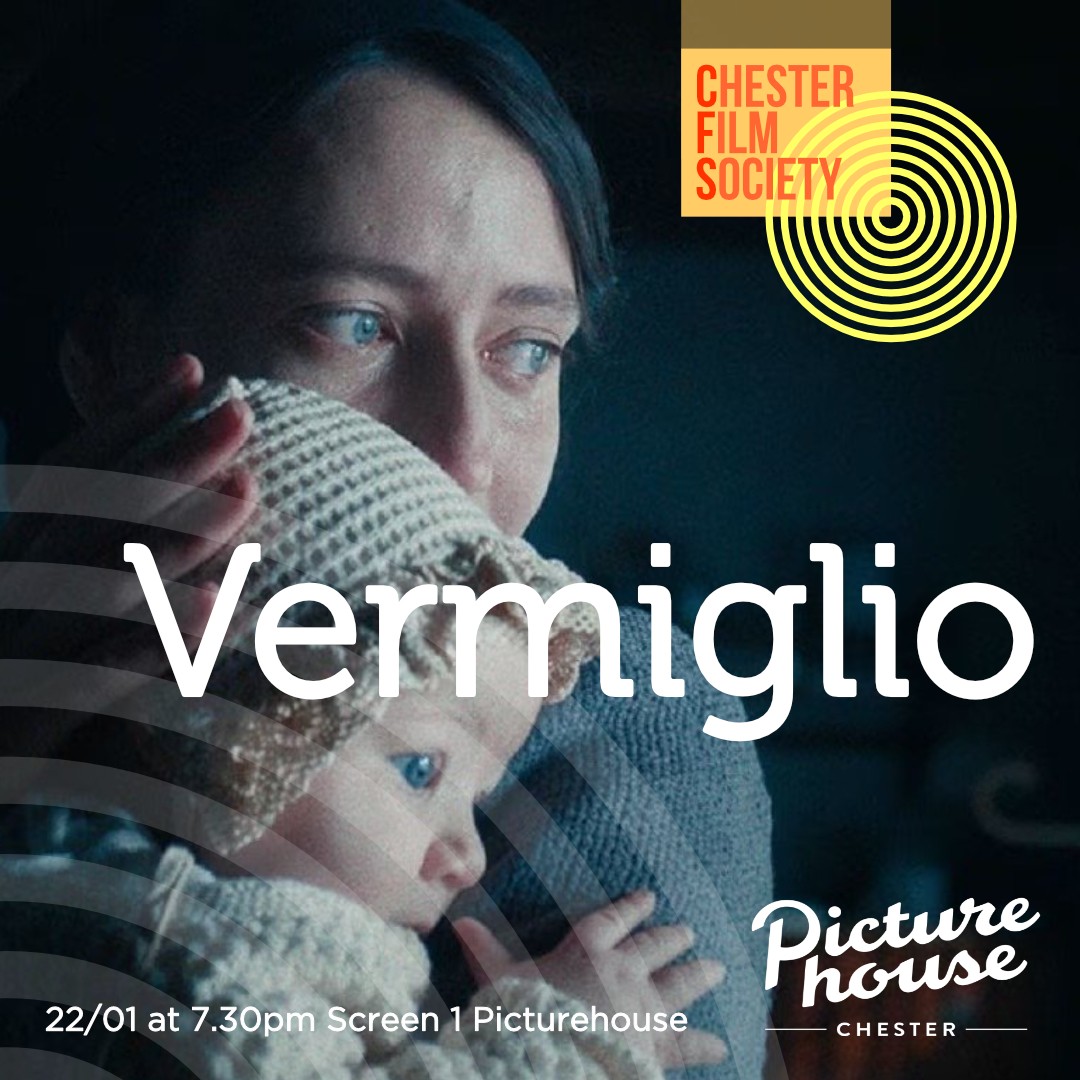
    Vermiglio

    Synopsis

    Set in 1944 in the remote Alpine village of Vermiglio, the film follows the Graziadei family, headed by ageing schoolteacher Cesare (Ragno), whose household already includes nine children and another on the way. Their precarious existence, shaped by poverty, tradition, and the isolating mountain landscape, is disrupted by the arrival of Pietro (De Domenico), a Sicilian army deserter hiding from the war. Pietro forms a bond with the eldest daughter, Lucia (Scrinzi), whose quiet resilience and sense of duty anchor the family. As winter tightens and wartime pressures creep closer, the family’s routines, loyalties, and long‑held customs are tested, revealing the fragile balance between survival, community, and personal desire.

    Context and Craft

    Vermiglio is a slow-burning historical drama rooted in the rhythms of rural life during the final years of WWII. Delpero draws on stories from her own family history, crafting a narrative that privileges observation over plot and emphasises the textures of daily existence in an isolated mountain community. Critics highlight the film’s visual style: cinematographer Mikhail Krichman shoots the Alps with painterly precision, using natural light to capture the harshness of winter and the tentative renewal of spring. The film explores the intersection of personal and historical upheaval. Pietro’s arrival introduces both danger and possibility, while Lucia’s tentative romance becomes a quiet act of defiance against the constraints of her environment.

    Critical Reception

    • A beautifully observed drama of immense subtlety… Delpero shows phenomenal
      restraint.” — Sight & Sound
    • “Attuned to the consciousness of its time… elegant, clean compositions and graceful
      storytelling.” — Roger Ebert
    • “A visionary film… the Alps provide a breathtaking emotional backdrop.” — Rotten
      Tomatoes

    Conclusion

    Vermiglio is a richly textured, visually striking portrait of a mountain community suspended between tradition and the encroaching realities of war. Delpero’s understated direction and Krichman’s luminous cinematography create a world where silence, landscape, and ritual carry as much weight as dialogue. The film’s emotional power lies in its attention to the ordinary, domestic labour, family tensions, small acts of rebellion, and how these intimate moments reflect broader historical forces.

    Audience Rating: 7.7

    Audience Comments:

    • Beautiful scenery
    • Very slow at times, but very picturesque
    • Great cinematography and very authentic, but incredibly slow
    • Raw, emotional. Excellent casting with very natural performances, but very slow
    • A powerful story and compelling snapshot into rural mountain life during the war
    • Every frame in Vermiglio is like a painting and the characters felt very real. Greatly enjoyed the chance to see it in the cinema when i probably wouldn’t have seen it otherwise!
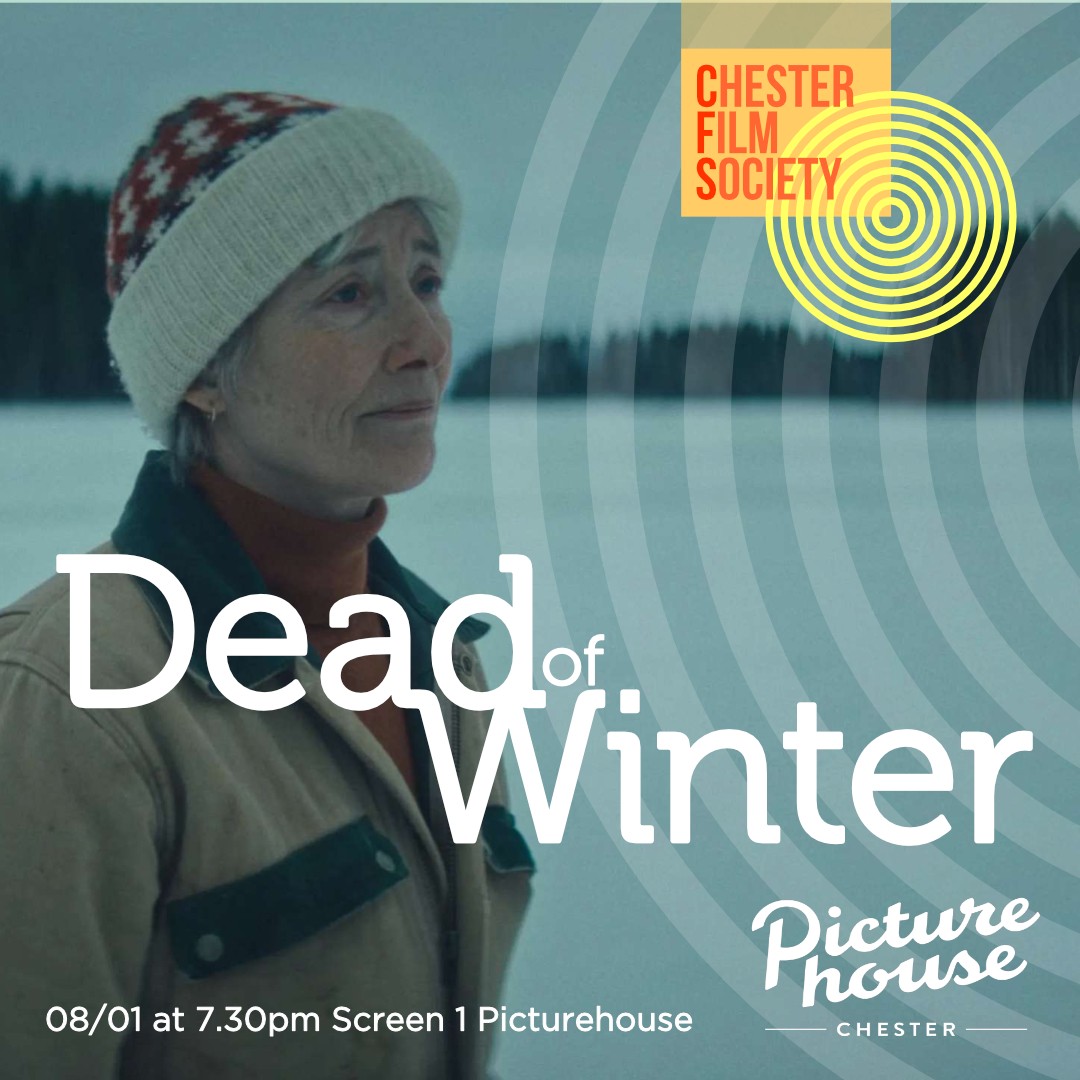
  • Dead of Winter

    Dead of Winter

    Synopsis

    Dead of Winter follows Barb (Thompson), a solitary Minnesotan fisherwoman grieving a recent loss. While travelling through a remote, snow-choked region, she stumbles upon a kidnapped
    young woman being held in a secluded cabin by an unstable couple (Greer and Menchaca). With no phone signal, lethal weather conditions, and miles of wilderness between her and help,
    Barb becomes the girl’s only chance of survival. Barb’s grief and compassion drive her into a dangerous rescue attempt.

    Context and Craft

    A snowbound kidnapping thriller with echoes of Fargo and “ordinary person becomes action hero” narratives. Critics note the film’s generic thriller framework but highlight how Thompson’s casting subverts expectations and how Kirk’s unobstructive direction emphasises claustrophobia, harsh natural conditions, and escalating peril. Thompson’s portrayal has been widely praised for its grounded toughness and emotional depth. Adopting a faultless Minnesota accent, Thompson plays Barb as “tough but tender,” driven by compassion rather than action-hero bravado. Judy Greer’s performance as the antagonist is snarling and darkly humorous, adding unpredictability to the film’s tone, while the raging blizzard and remote setting serve as additional antagonists.

    Critical Reception

    • “A refreshing little thriller…Judy Greer’s ‘fentanyl lollipop-sucking’ villainy is a standout
      element.” — Independent
    • “Technically polished but increasingly improbable… an icy, generic thriller elevated by
      Thompson’s palpable aura of capability and down-to-earth shrewdness.” — Variety
    • “Deeply moving and tense kidnapping drama.” — Saga Magazine
    • “Both Thompson and Greer for playing “against type… an exhilarating wilderness
      thriller.” — Collider

    Conclusion

    Dead of Winter stands on its performances, especially Emma Thompson’s unexpected and compelling turn as a reluctant action heroine. The film uses its wintry setting to create tension
    and atmosphere, while weaving in themes of grief, compassion, and moral courage. It is widely regarded as a gripping, emotionally resonant thriller elevated by its cast and strong sense of
    place. Barb’s emotional wounds shape her choices and give the thriller a sentimental undercurrent, and the film asks what an ordinary person owes a stranger in danger.

    Audience Rating: 7.1

    Audience Comments:

    • Amazing!
    • Stunning cinematography, realistic, and story was not what I expected.~
    • Thin plot, too much violence, and the premise was poor.
    • Gruesome story, but very well filmed. Emma Thompson does a great role. Not a type of movie I would normally choose to watch.
    • Gripping film with two female protagonists for a change. Great to see an older woman in the lead.
    • Very tense and atmospheric, but a bit one-dimensional.
  • The Marching Band

    The Marching Band

    Synopsis

    Acclaimed conductor Thibaut, diagnosed with leukaemia, discovers he was adopted and seeks a bone marrow donor. His search leads him to Jimmy, a long-lost brother who works in a factory
    cafeteria and plays trombone in a small-town marching band. Their reunion unfolds against the backdrop of industrial decline, as the brothers navigate class divides, family secrets, and the
    healing power of music. What begins as a medical necessity evolves into a fraternal journey of reconciliation and shared passion.

    Context and Craft

    Director Emmanuel Courcol, known for Ceasefire (2016) and The Big Hit (2020), continues his exploration of social realism and human connection. The Marching Band blends comedy
    drama with musical elements, using the metaphor of ensemble performance to highlight themes of solidarity and resilience. Courcol’s restrained direction and Maxence Lemonnier’s
    cinematography emphasize contrasts between the grandeur of orchestral halls and the intimacy of small-town life. The film reflects contemporary French anxieties about industrial
    closures, while celebrating music as a universal language bridging social divides.

    Critical Reception

    Premiered at Cannes 2024, The Marching Band was praised for its warmth and accessibility:

    • Variety: “A heartfelt fraternal drama… music as reconciliation across class and circumstance.”
    • The Hollywood Reporter: “Engaging blend of social realism and musical metaphor… Courcol’s most audience-friendly work yet.”
    • Film Review Daily: “Thoroughly engaging… designed for wide popular appeal, balancing sentiment with sharp observation”.
    • The Observer: “lived-in performances from an engaging cast of French character actors… a closing sequence so shamelessly and cheerfully manipulative that any
      resistance is entirely useless. Bring a family pack of tissues”.

    Conclusion

    Emmanuel Courcol’s The Marching Band is both a family drama and a social parable. Through the story of two estranged brothers united by music, the film critiques economic precarity while
    affirming the possibility of connection across divides. Its blend of humour, tenderness, and musical energy makes it a resonant meditation on fraternity, resilience, and the redemptive power of art.

    Audience Rating: 8.83

    Audience Comments:

    • Best Chester film I’ve seen in quite some time!
    • It had everything!
    • Funny and heartbreaking in equal measure. Loved it but made my heart ache.
    • Heartwarming and wonderful – OK, plot a bit preposterous, but it didn’t matter – music carried film along.
    • Optisimsm always wins
  • Santosh

    Santosh

    Synopsis

    Newly widowed Santosh Saini inherits her late husband’s post as a police constable in rural northern India through a compassionate recruitment scheme. Tasked with investigating the
    disappearance and subsequent murder of Devika, a low-caste teenager, she confronts systemic corruption, sexism, and caste prejudice within the local police. Her mentor, veteran
    Inspector Geeta Sharma, challenges the patriarchal order as they uncover institutional failures.

    Context and Craft

    Originally conceived as a documentary about sexual violence, director Sandhya Suri pivoted to a focused, pared-down crime narrative after seeing images from the 2012 Delhi gang-rape
    protests. Known for documentaries – I For India, Around India With a Movie Camera – Suri’s film is a gritty, minimalist neo-noir, with restrained, muted performances and stark visuals that
    reinforce realism. Santosh explores the intersections of caste, gender, colonial policing legacy, and communal violence.

    Critical Reception

    Cannes 2024, nominated for Un Certain Regard prize; BAFTA nomination for Outstanding Debut; won Seville European Film Festival Best Screenplay. Selected as the UK’s entry for Best
    International Feature at the 97th Oscars, and made the shortlist. Named in the National Board of Review Top 5 International Films 2024:

    • Variety: “fiercely feminist empowerment saga…arias of religion and caste…
      deconstructs police power fantasy”.
    • The Hollywood Reporter: “clear-eyed, moving indictment of New India… subtle
      generational dynamic”
    • Sight & Sound/BFI: “neo-noir… exposes systemic corruption… masculine
      predation”
    • IndieWire: “master class in subtlety… assertion of power in stratified society”.

    Conclusion

    Sandhya Suri’s Santosh melds intimate character exploration and sharp procedural realism to critique institutional injustices in contemporary India. Through Santosh’s quiet internal
    struggle—between surviving as a widow, asserting authority in a male-dominated system, and confronting prejudice—the film highlights the paradox of empowerment within oppressive
    frameworks. Its director’s history of documentary filmmaking lends it an unvarnished visual style and deliberate pacing that amplify its authenticity, making it a poignant meditation on power, caste, and gender.

    Audience Rating: 7.79

    Audience Comments:

    • Very disturbing. Realistic scenes of India.
    • Need time to process it.
    • Intriguing insight into police corruption/butchery.
    • Realistic film inbetween a documentary and a feature.
    • Very interesting portrayal of what life is like for the majority of Indians compared to the elite.
    • A sombre watch.
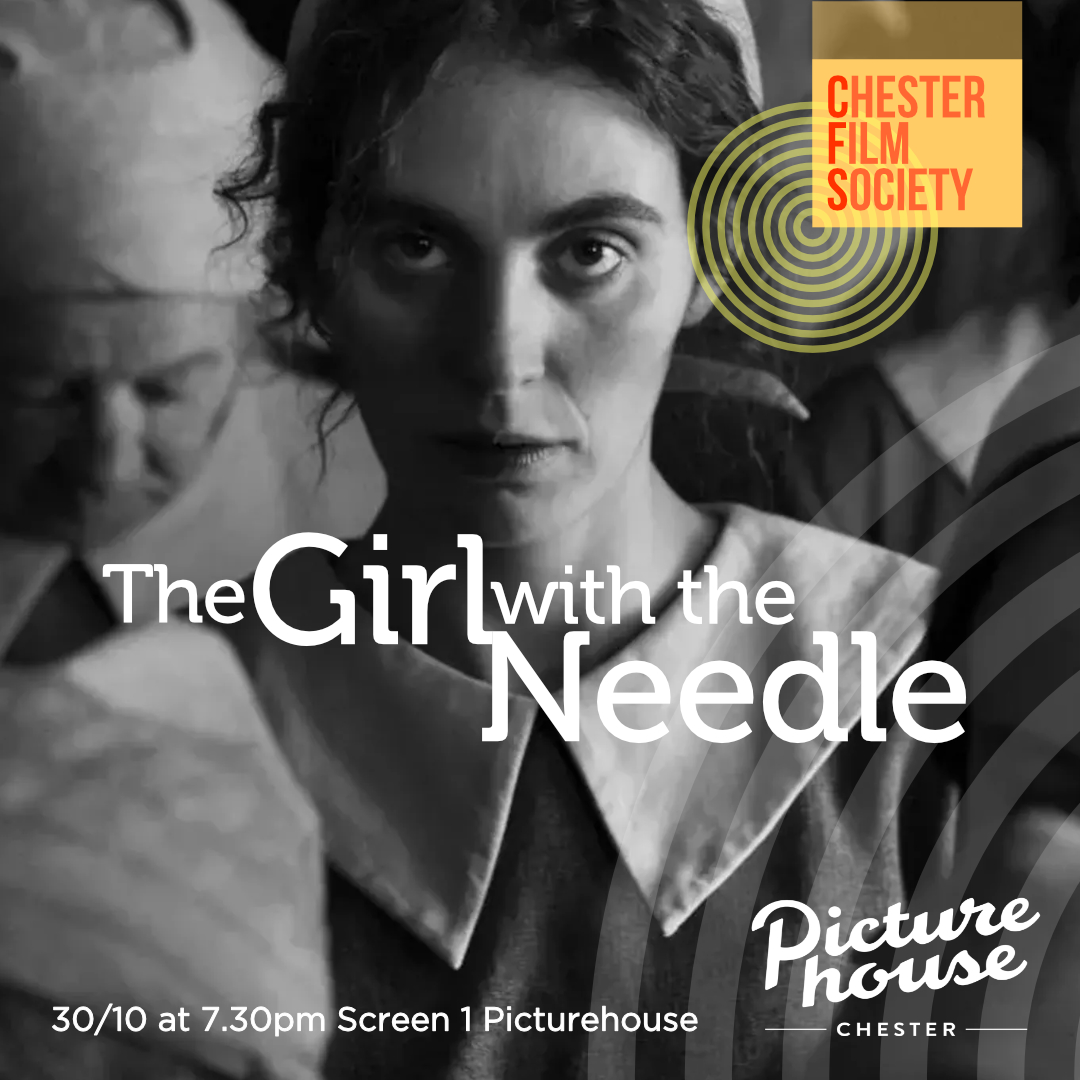
  • The Girl with the Needle

    The Girl with the Needle

    Synopsis

    Set in post-WWI Copenhagen, The Girl With The Needle follows Karoline (Vic Carmen Sonne), a young factory worker who finds herself unemployed, pregnant, and alone. She is drawn into the
    orbit of Dagmar (Trine Dyrholm), a charismatic woman who runs an underground adoption agency. As Karoline becomes a wet nurse for Dagmar’s clients, a disturbing truth begins to
    unravel. Inspired by a real-life case that shocked Danish society, the film explores the fragile line between care and exploitation, culminating in a chilling revelation that reshapes Karoline’s
    understanding of motherhood, trust, and survival.

    Context and Craft

    Magnus von Horn (Sweat, The Here After) crafts a Gothic psychological horror rooted in historical trauma. Co-written with Line Langebek, the screenplay avoids sensationalism,
    instead focusing on Karoline’s emotional collapse. Michał Dymek’s cinematography evokes a bleak, claustrophobic Copenhagen, with muted tones and shadowy interiors that mirror
    Karoline’s isolation, which is further heightened by Frederikke Hoffmeier’s haunting score. Drawing thematic parallels to The Piano Teacher, the film interrogates systemic cruelty and
    moral ambiguity.

    Critical Reception

    Premiering in competition at Cannes 2024, The Girl With The Needle was Denmark’s submission for Best International Feature at the 97th Academy Awards. It received widespread
    acclaim for its performances and direction, though some found its subject matter overwhelming:

    • “A masterclass in sustained dread, anchored by Vic Carmen Sonne’s devastating
      performance.” — RogerEbert.com
    • “Von Horn’s refusal to center the killer makes this a story about complicity, not
      monstrosity.” — TIME
    • “A film that numbs with its brutality, yet lingers with its moral complexity.” — Cahiers du
      Cinéma

    Conclusion

    The Girl With The Needle is a harrowing meditation on vulnerability, power, and historical violence. By centring Karoline rather than the infamous Dagmar Overbye, von Horn reframes the narrative as one of systemic failure and personal reckoning. The film’s austere style and emotional restraint challenge viewers to confront the horror not in spectacle, but in silence. As with our last film Misericordia, this is cinema that refuses easy catharsis, instead offering a stark portrait of human darkness shaped by circumstance

    Audience Rating: 7.76

    Audience Comments:

    • Excellent – how much can one woman endure?
    • Harrowing, amazing, acting.
    • Gripping and disturbing.
    • Black and white very effective.
    • Interesting. Shocking twist
    • Frightening
    • Beautifully made.
    • Pretty bleak subject matter!
  • Misericordia

    Misericordia

    Synopsis

    Set in the fictional village of Saint-Martial, Misericordia follows Jérémie (Félix Kysyl), who returns to his hometown for his former boss’s funeral. Staying with the widow Martine
    (Catherine Frot), tensions rise with her son Vincent, culminating in a fatal altercation. With the unexpected help of the village priest, Jérémie conceals the crime, sparking a darkly comic and
    unsettling chain of events. Blending thriller and black comedy, the film explores guilt, desire, and the complex alliances that form in small communities.

    Context and Craft

    Alain Guiraudie (Stranger by the Lake, Staying Vertical) continues his exploration of desire and moral ambiguity in rural France. Shot in southern Aveyron, the film uses the rugged landscapes
    of Sauclières and the Dourbie gorges to evoke isolation and tension. Cinematographer Claire Mathon (Portrait of a Lady on Fire) brings a stark, naturalistic palette that contrasts with the
    film’s surreal undertones. Marc Verdaguer’s sparse score heightens the discomfort, while Guiraudie’s script draws inspiration from Pasolini’s Théorème, infusing homoeroticism and absurdity into a deceptively simple narrative.

    Critical Reception

    Misericordia premiered in the Cannes Premiere section and was nominated for the Queer Palm. Although it received eight César nominations, including Best Film, it left empty-handed. Critics
    have noted:

    • “A visually striking drama that veers between psychological tension and farce.” —
      DeepFocusReview
    • “Guiraudie’s refusal to offer character empathy makes the viewer complicit in the film’s
      moral murk.” — Cahiers du Cinéma
    • The priest’s final monologues push the film into exploitation territory—perhaps
      deliberately.” — Le Monde
    •  Misericorida is another superb foray into the dangers of desire” (Rotten Tomatoes)

    Conclusion

    Misericordia is a bold, unsettling meditation on secrecy, power, and desire. Guiraudie’s refusal to moralize or sentimentalize his characters forces viewers to confront the absurdity and
    darkness of human behavior. The film’s rural setting and minimalist style amplify its themes, making it a provocative entry in contemporary French cinema. Guiraudie is known for playing
    with genre and tone, so this might be a deliberate provocation, using B-movie aesthetics to challenge the viewers’ expectations or to underscore the film’s moral ambiguity.

    Audience Rating: 6.8

    Audience Comments:

    • Didn’t like the violence, but an intruguing film with unexpected turn to the plot.
    • Well cast. Good camera work.
    • The fungi did it!
    • Could only be a French film!
    • Very weird, but very French!
    • Enjoyable
    • Truly bizarre!!
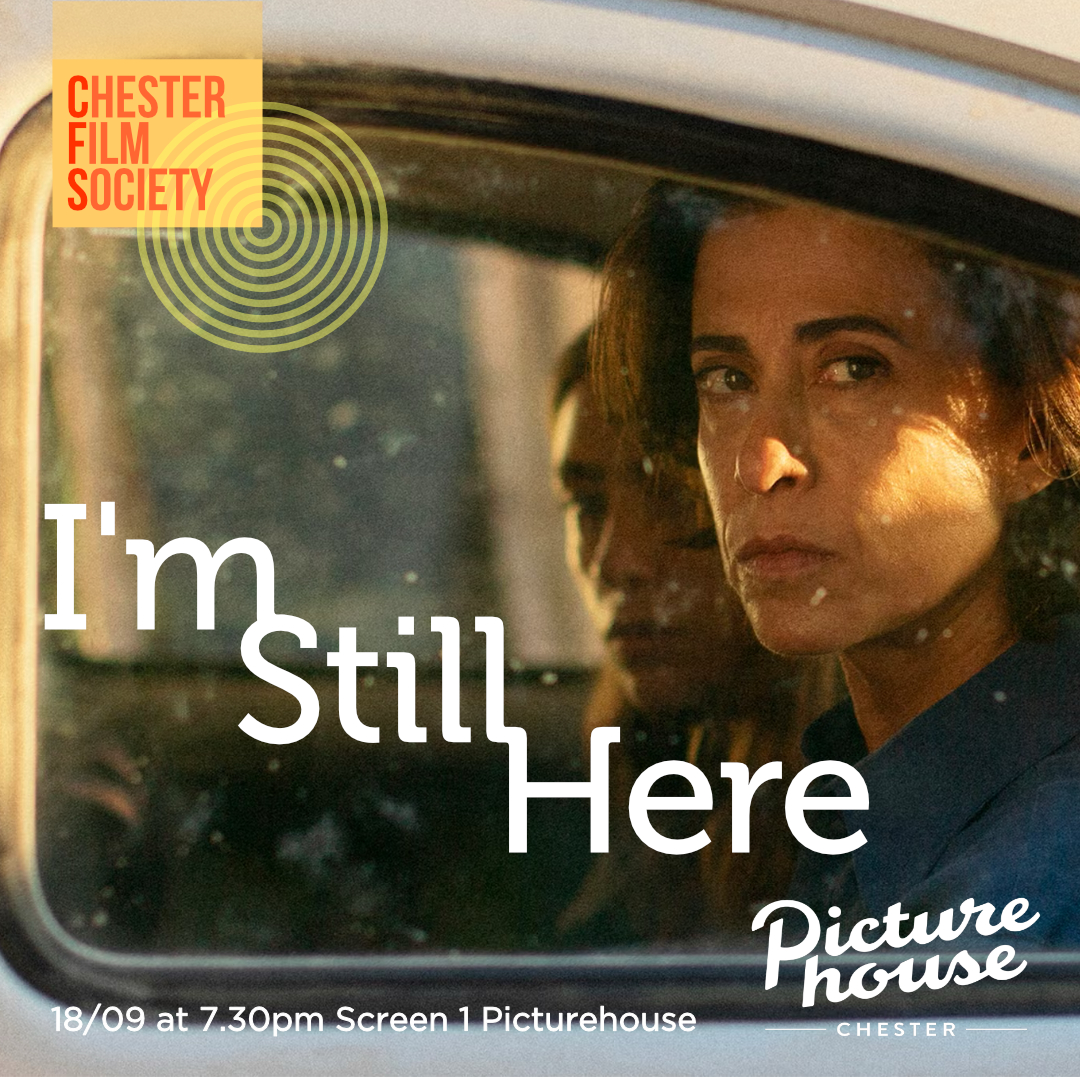
  • I’m Still Here

    I’m Still Here

    Synopsis

    Set in 1970s Rio de Janeiro, I’m Still Here follows the Paiva family—led by Eunice (Fernanda Torres) and Rubens (Selton Mello)—as they navigate the creeping terror of Brazil’s military
    dictatorship. When Rubens, a former congressman secretly aiding the opposition, is abducted by government agents, Eunice must protect her five children while searching for answers in a
    climate of fear and silence. Based on Marcelo Rubens Paiva’s memoir Ainda Estou Aqui, the film dramatizes a true story of resilience, loss, and quiet defiance.

    Context and Craft

    Walter Salles (Central Station, The Motorcycle Diaries) returns to narrative filmmaking with a deeply personal lens—he was childhood friends with the Paiva children and a frequent guest in
    their home. The film’s rich period detail is enhanced by Adrian Teijido’s warm 35mm cinematography and a soundtrack featuring Brazilian icons like Caetano Veloso and Gal Costa. The result evokes a vibrant family life slowly eclipsed by authoritarian violence.

    Critical Reception

    Critics have praised I’m Still Here for its emotional depth and restrained storytelling:

    • “Fernanda Torres delivers a “masterful” performance as Eunice, earning an Oscar nomination for her portrayal of quiet strength under pressure.” The Independent
    • “The film has drawn comparisons to Roma (2018) for its intimate family focus and historical backdrop, though Salles opts for vivid colour and personal memory over monochrome nostalgia.” BFI
    • “While some may feel the film’s minimal political exposition is minimal, its choice to center the victims’ experience, makes the trauma feel immediate and human.” DeepFocusReview
    • “Carried along by Fernanda Torres’ superb performance, I’m Still Here poignantly explores a nation’s upheaval through one family’s search for answers.” Rotten Tomatoes

    Conclusion

    A brave film portraying resistance, not through action, but through endurance. Parallels can be drawn between Brazil’s former dictatorship and its contemporary political climate. The film’s
    use of Super 8 footage and music shapes our emotional connection to the family and their search for the truth.

    Audience Rating: 8.63

    Audience Comments:

    • Excellent; Beautiful film; Powerful; Well acted; Soundtrack good; Sad; Incredible
    • Good and Great choice
    • A beautiful film well portrayed by the amazing characters and well acted
    • A story to be known by all; Emotional but an incredible film
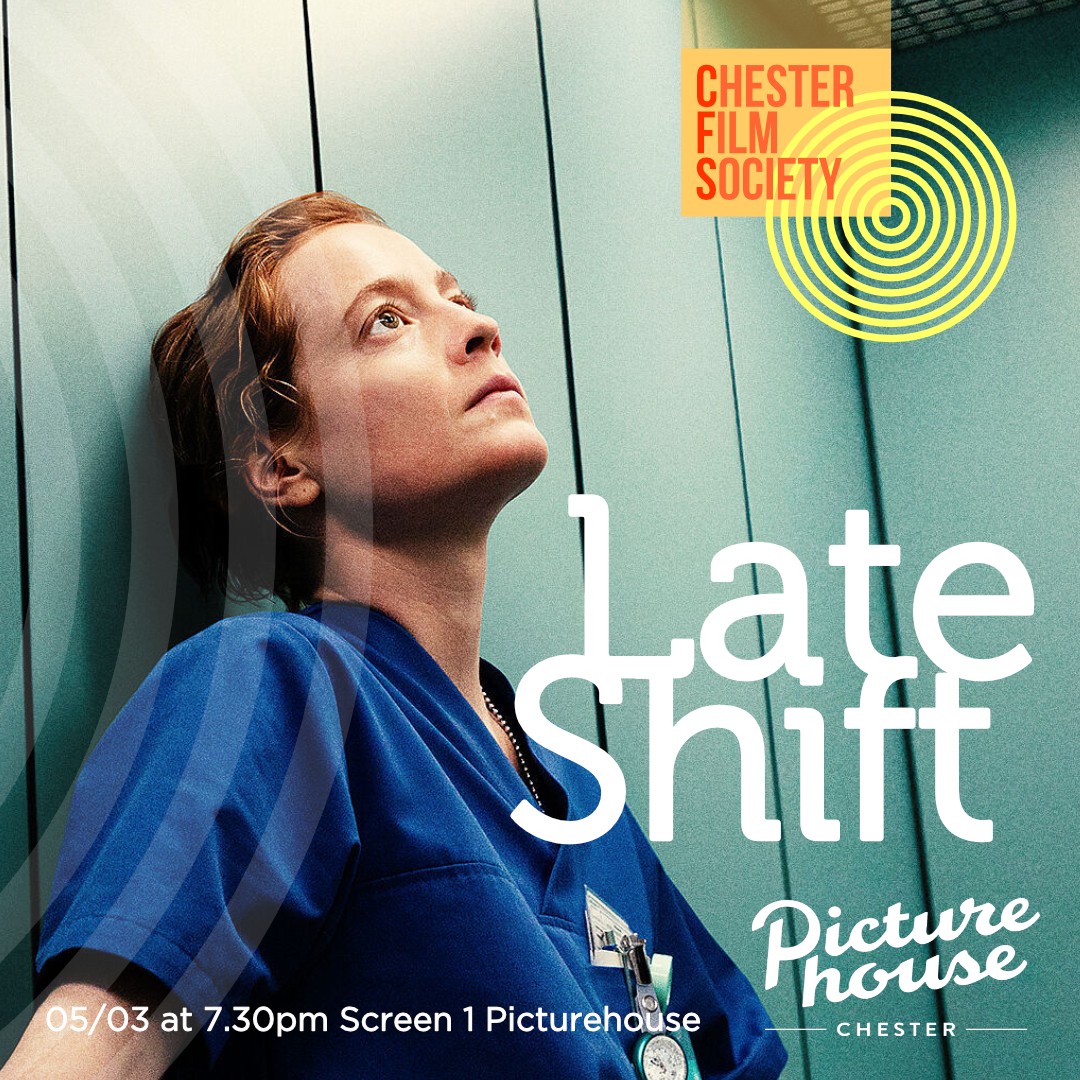
  • Late Shift

    Late Shift

    Synopsis

    Floria is an experienced nurse, a calming presence in a hospital system that’s anything but
    calm. On a single late shift in an understaffed ward, routine care becomes a race against time
    as patients deteriorate, families demand answers, colleagues are stretched thin, and every
    interruption can mean life or death. As the night progresses, Floria’s professionalism is tested
    to the limit by the sheer arithmetic of too many urgent needs and not enough hands on deck.

    Context and Craft

    Director Petra Volpe builds the film around immersion and momentum: rather than giving backstory or big plot twists, she keeps the camera close to Floria as the ward’s pressures
    accumulate in near real time. The effect is less medical melodrama than workplace pressurecooker – think Boling Point but in a hospital – where the tension comes from triage i.e., what can
    be done now, what must wait, and what that waiting costs. A key choice is the emphasis on systems over villains. No one person is “the problem”; the crisis is structural and includes
    understaffing, bottlenecks, and there is a constant moral friction between ideal care and possible care. There is no time for small, human gestures (comforting a frightened patient, a
    moment of tenderness) as everything is at stake when time runs out. The film was inspired by Madeline Calvelage’s book about nursing conditions, which helps explain the documentary-like
    insistence on procedure, pace, and emotional labour, alongside a quietly thriller-ish edge created by the night’s escalating cascade of decisions.

    Critical Reception

    • “The pressure is on in a severely understaffed hospital, carried by Leonie Benesch’s
      committed performance.” — The Guardian
    • “A cinematic tribute to nurses… elevated by the unflashy skill of Leonie Benesch.” —
      Sight and Sound.
    • “Gripping, minimalist portrait that sneaks in a subtle thriller tension while staying
      focused on the psychological cost of caregiving.” — Financial Times

    Conclusion

    Late Shift is a study in care under constraint: a film that makes competence feel dramatic, and compassion feel expensive, not because it’s rare, but because the system gives it no room. By
    narrowing the story to one shift, Volpe turns everyday hospital work into escalating suspense, while keeping the focus on Floria’s steady humanity and the quiet brutality of impossible workloads. It lands as both an intense viewing experience and a pointed piece of social realism.

    Audience Rating: 8.31

    Audience Comments:

    • So depressing
    • Probably the most important film I will see all year
    • Best film I have seen in years
    • A film everyone should see
    • Sobering. Moving. What an insight into the nursing world.
    • Deeply moving
    • Awful music and terrible end, but it was an excellent portrayal of a real heroine.
    • Harrowing
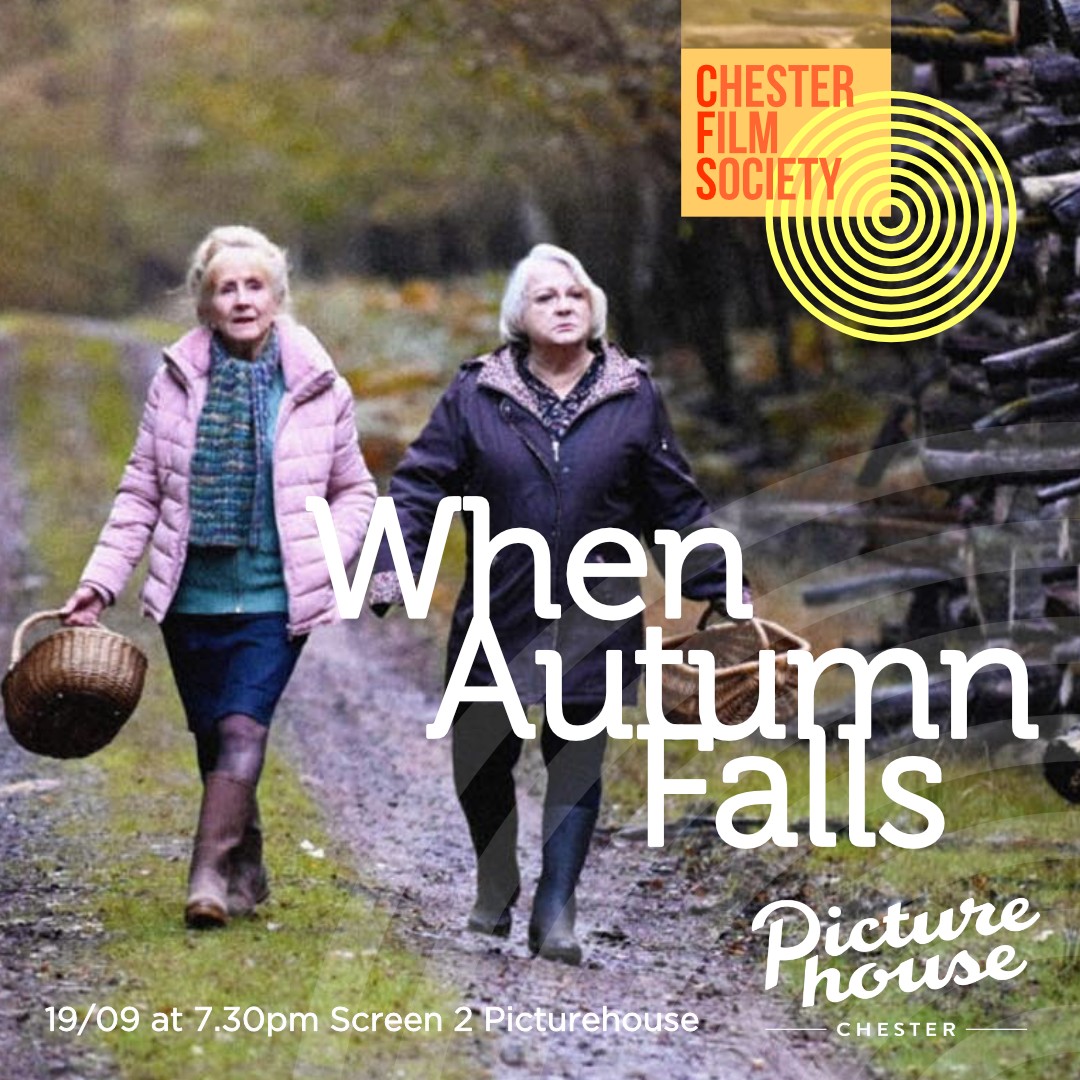
  • When Autumn Falls

    When Autumn Falls

    Synopsis

    In a quiet Burgundy village, grandmother Michelle looks forward to time with her grandson — until an “innocent mistake” with foraged mushrooms shatters the fragile family dynamic. Is it
    an accident, confusion, or something darker? As Michelle’s loneliness deepens, she finds unexpected companionship when her friend Marie-Claude’s son Vincent returns after prison,
    drawing her into a web of affection, suspicion, and buried history.

    Context and Craft

    When Autumn Falls is one of Ozon’s characteristically slippery genre blends: part rural family drama, part “cosy” mystery, part psychological thriller. Tension is built less through plot
    mechanics than through ambiguity. Village routines turn faintly menacing as accusations and motives blur. Reviewers have remarked on its classic French suspense influences (Claude
    Chabrol/Georges Simenon) and on the film’s tonal tightrope: gentleness and warmth coexist with insinuation and dread. Much of the film’s power comes from performance and
    withholding: Michelle’s inner life is readable yet unknowable, and key events are framed to keep moral certainty just out of reach.

    Critical Reception

    • “The implied Chabrol-esque horror is made to coexist with an odd mood of gentleness and even sentimentality as we witness the loneliness of an ageing woman with secrets
      and regrets in the autumn of her life.” — The Guardian
    • “That it is still worthwhile owes largely to the sympathetic, sinuous performance of Hélène Vincent, in the lead role of a grand-mère who may not be as simply sweet as she
      first appears.” — Wall Street Journal
    • “In the great Ozon catalogue, this seems like an incidental work… [yet] fascinating and the more you think about it, the more there is to think about.” — Mark Kermode

    Conclusion

    When Autumn Falls is less a straight mystery than a study in moral fog: a portrait of ageing, family resentment, and the stories people construct to live with guilt and desire. Ozon uses the
    mushroom incident as a deceptively simple spark that exposes old fractures; he then lets uncertainty do the work, pushing viewers to constantly reassess Michelle, Valérie, and Vincent.
    Whether you read it as a tender drama with sinister undertones or a thriller disguised as villagelife realism, it’s anchored by Hélène Vincent’s quietly commanding performance and Ozon’s
    knack for making the ordinary feel menacing.

    Audience Rating: 8.26

    Audience Comments:

    • A mushroom stew and two tarts. What a brilliant, dark meal of a film!
    • Atmospheric, thought-provoking, emotive. 
    • Fungi most fowl!
    • It’s complicated, delightful, and nuanced.
    • Loved it!
    • A touching but unusual web of love and affection. Everyone covers up a possible crime, but out of it, love can flourish. Poignant and well-played. A superb film with so much going on. Well acted and leaves much unresolved. 
    • Joyless
    • Gentle & heartwarming
    • Excellent. Unexpected at times. Extremely well acted and believable apart from the ending!
    • Love and loss is a stormy sea